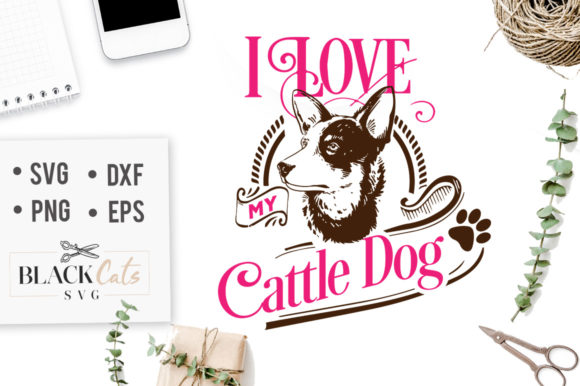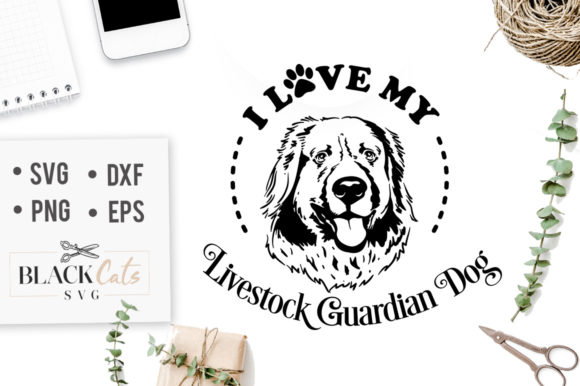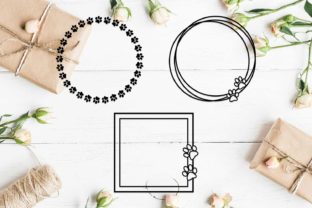
Set of Dog Paw Frames
A Designer’s First Glance: Simple, Sweet, and Surprisingly Versatile
Opening Set of Dog Paw Frames feels like flipping through a quiet sketchbook—clean outlines, balanced negative space, and three distinct frame variations that each hold their own personality. One is rounded and soft, another slightly angular with subtle texture hints, and the third leans minimalist with clean inner margins. None scream “cute overload.” Instead, they whisper warmth, care, and quiet celebration of pets—not as mascots, but as family. That tone matters deeply when you’re stitching for real people: a new parent ordering baby onesies, a boutique owner curating nursery decor, or an Etsy seller building a cohesive holiday collection.
Where It Lives Best: Real Projects, Not Just Pixels
I tested Set of Dog Paw Frames across five actual product types—embroidered tea towels, cotton tote bags, organic cotton baby bodysuits, twill aprons, and twill patches—and it held up strongest where subtlety and sincerity mattered most. On a linen tea towel? Perfect. The frames nestle into the weave without fighting it, and the open interior invites monogramming or tiny paw prints inside. On a medium-weight cotton tote? Equally effective—especially when placed low on the front panel, just above the seam. Customers notice it; they pause, smile, and often ask, “Is that for your dog?” That emotional resonance is gold for handmade product storytelling.
It also shines in baby embroidery—on a onesie chest or bib—because the scale reads clearly even at 2.5 inches wide, and the clean lines avoid visual clutter. No dense fill stitches to stiffen delicate fabric. No tiny loops or fragile points that snag during washing. As a sweatshirt embroidery design? Use it on the left chest or sleeve cuff—not center back—where its modest footprint complements rather than competes with the garment’s structure.
Where to Pause (and Why)
Set of Dog Paw Frames isn’t built for high-drama applications. Avoid it on stretchy knits unless you’ve stabilized aggressively—those smooth curves can distort if tension shifts mid-stitch. Skip it on ultra-thin fabrics like voile or silk charmeuse without backing; the open frame shape relies on stable fabric support to read crisply. And while it works beautifully on dark fabric with light thread, don’t assume contrast is automatic—test your chosen thread color on scrap first. A pale ecru on navy reads elegant; the same thread on charcoal can disappear.
Curved surfaces—like structured caps or curved pillow covers—require careful hooping and possibly slight digitizing tweaks (if you have editing capability). The corners of the frames are gentle, not sharp, but still need room to breathe. If your hoop size is under 4”x4”, consider using only the smallest frame variation—and always preview the stitch path digitally before loading.
Design Integrity Meets Customer Trust
What makes Set of Dog Paw Frames feel professional isn’t just how it looks stitched—it’s how it makes the *buyer* feel. When someone receives a personalized gift with this design, they sense intention: no frantic clipart energy, no pixelated edges, no awkward scaling. That translates directly to perceived value. A customer paying $48 for an embroidered linen pillow cover doesn’t just want durability—they want quiet confidence that this piece belongs in their home, not their craft drawer.
For Etsy sellers and small shop owners, that trust compounds. Listing a product with Set of Dog Paw Frames as part of a curated “Pet Parent Collection” feels cohesive and brand-aligned—especially paired with neutral thread palettes and natural fiber goods. It doesn’t shout. It settles in. And in a crowded handmade market, that kind of calm consistency builds repeat buyers.
Practical Notes from the Hoop
- Always test on scrap fabric first—especially if pairing with applique or layered embroidery. These frames work beautifully as borders around simple satin-stitched paw prints or names, but confirm spacing and density match your machine’s rhythm.
- Review stitch density before scaling. The original files appear optimized for clarity, not fill-heavy coverage—ideal for breathable wearables—but if you enlarge beyond 120%, check for unintended gaps or thread nesting.
- Use appropriate stabilizer: medium tear-away for stable cottons, cut-away for knits or lightweight linens. The open-frame nature means stabilizer shows less, but its role in maintaining shape is critical.
- Check licensing terms carefully before selling finished items or bundling Set of Dog Paw Frames into digital embroidery kits. As a graphics asset, its commercial use depends entirely on the creator’s stated permissions—not assumed rights.
- Preview in black-and-white mockups—this design’s strength lies in silhouette and proportion, not color complexity. If it reads well in grayscale, it’ll translate reliably across thread choices and fabric tones.
Final Thought: A Frame, Not a Filler
Set of Dog Paw Frames isn’t flashy. It won’t dominate a tradeshow booth or trend on social feeds overnight. But in the hands of a thoughtful designer or craft business owner, it becomes a quiet anchor—framing meaning, not just imagery. Whether stitched onto a hospital gift bag for a new pet-friendly nurse, printed as part of a printable mockup for an Etsy listing, or used as a consistent motif across a line of dog-themed kitchen textiles, it carries weight because it refuses to overstate itself.
If your craft business values authenticity over algorithm bait—if your customers choose handmade for its honesty, not its volume—then Set of Dog Paw Frames earns its place in your design assets. Not as decoration, but as intention made visible, one careful stitch at a time.