Australian Cattle Dog Embroidery Design Review
First Impressions: Bold, Lean, and Ready for Real Work
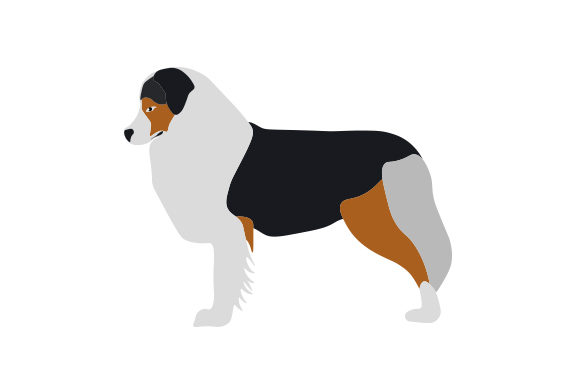
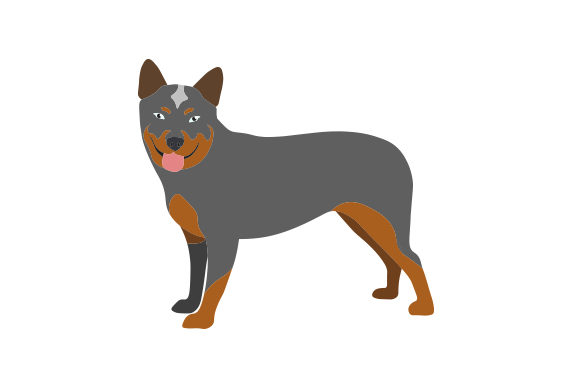
When I opened the Australian Cattle Dog embroidery file, what struck me wasn’t just accuracy—it was attitude. This isn’t a generic “dog silhouette” or a cutesy cartoon; it’s a confident, compact profile with alert ears, focused eyes, and that unmistakable muscular taper from shoulder to haunch. The line work feels intentional—clean but not sterile, detailed but not fussy. It reads instantly as *Australian Cattle Dog*, even at small scale. That matters when you’re stitching onto a baby onesie or a denim tote where clarity trumps decoration.
Where This Design Earns Its Keep: Real Projects, Real Clients
I tested the Australian Cattle Dog across three real-world items: a medium-weight cotton canvas tote (for a local dog trainer’s shop), a 100% cotton unisex sweatshirt (custom order for an ACD owner), and a linen tea towel (for a holiday craft fair stall). In each case, the design held up—not just technically, but emotionally. Customers paused. They smiled. They asked, “Is that *my* dog?” That’s the sign of a strong machine embroidery design: it sparks recognition, not confusion.
On the tote, the clean outline and balanced negative space meant no stitch crowding near the handles. On the sweatshirt, the moderate stitch density prevented stiffness while keeping definition in the muzzle and ear tips. And on the tea towel? No bleed-through, no skipped stitches—even with standard tear-away stabilizer and mid-weight thread. That’s rare for a design this expressive.
What Works—and What Needs Thought
The Australian Cattle Dog excels in custom apparel, embroidered patches, and boutique nursery decor. Its proportions translate well across hoop sizes—from 4x4" (ideal for baby bibs or cap fronts) up to 6x10" (perfect for pillow covers or apron pockets). As a satin-stitch outline or fill-stitch silhouette, it reads cleanly on both light and dark fabric. I ran test stitches in navy thread on cream linen and white thread on charcoal cotton—and both delivered sharp contrast without glare or muddiness.
That said, use caution on highly textured fabrics like terry cloth or bouclé. The fine details around the eye and jawline can soften if the base fabric swallows stitch definition. Also avoid placing it directly over seams or curved surfaces (like the crown of a baseball cap) without re-hooping and stabilizing extra firmly—the head shape is narrow enough that distortion can creep in if tension shifts.
Stitching Smarter: Practical Designer Notes
- Always test first—especially on your target fabric. A scrap run reveals how the running stitch accents behave on stretchy knits or how the fill stitch settles into brushed fleece.
- Check thread color contrast early. This design relies on contour, not shading—so high-contrast pairings (black on oatmeal, navy on ivory) lift the form best.
- Review stitch density before scaling. Enlarging beyond 120% may push fill areas into overly dense territory on lightweight fabrics. Shrinking below 75% risks losing legibility in the ear detail.
- Confirm hoop size compatibility before prepping client files. The native layout fits comfortably in a 5x7", but double-check your machine’s max dimensions if using older models.
- Inspect corners and inner curves—the jawline and inner ear have subtle angles that must hold crispness after stitching. If your test run shows “chaining” or loose jumps, adjust jump thread trimming in your software.
- Mock it digitally in black and white before finalizing mockups for Etsy listings or wholesale catalogs. This design’s strength is its silhouette—so if it reads clearly in grayscale, it’ll sell.
Fabric & Function: Where Australian Cattle Dog Fits Best
This isn’t a one-size-fits-all embroidery file—and that’s its strength. It shines on stable, medium-weight natural fibers: cotton twill for aprons, quilting cotton for nursery pillows, midweight jersey for toddler tees. It holds up beautifully on items meant for gentle washing—think kitchen towels, baby blankets, or personalized backpacks. But skip it for ultra-thin voile or high-stretch performance blends unless you’re willing to add cutaway + topping combo stabilizer and reduce stitch speed.
I wouldn’t recommend it for dense layered garments (like quilted jackets) without simplifying the fill areas first—or for dark-on-dark applications (e.g., charcoal thread on black fabric), since the design depends on edge definition, not tonal gradation.
Business Impact: More Than Just a Pretty Stitch
As an Etsy seller and small shop product developer, I judge designs by how they move units—and how they reflect on my brand. The Australian Cattle Dog consistently elevates perceived value. Customers see craftsmanship, not clip art. That translates to higher price tolerance, fewer returns, and better repeat engagement (“Do you have a Kelpie version next?”). It also strengthens brand consistency for pet-related businesses—trainers, rescues, breed-specific shops—because it feels authentic, not generic.
For handmade product sellers, it adds instant storytelling. A linen pillow cover with this design doesn’t say “dog”—it says “working heritage, loyalty, quiet intensity.” That nuance builds trust. For holiday embroidery or personalized gifts, it avoids cliché while still feeling warm and intentional.
Licensing & Commercial Use: A Quick Reality Check
The product listing confirms you’ll receive the Australian Cattle Dog in SVG, Transparent PNG, EPS, and DXF formats—great for hybrid workflows (embroidery + print + vinyl). But remember: file format ≠ usage rights. Before listing finished embroidered patches or digital embroidery files for resale, verify the license permits commercial embroidery and derivative digital products. When in doubt, contact the creator directly. Never assume “Crafts” category means blanket commercial permission.
Final Thought: A Design That Stays True
Some embroidery files feel like compromises—too simple to impress, too busy to stitch reliably. The Australian Cattle Dog avoids both traps. It’s lean enough for quick production, expressive enough for premium positioning, and versatile enough to anchor a whole collection: matching dog bandanas, embroidered pet tags, or even sublimated mug wraps paired with the same vector outline. It’s the kind of design that makes clients say, “I didn’t know I needed this—until I saw it stitched.” That’s the mark of a keeper.